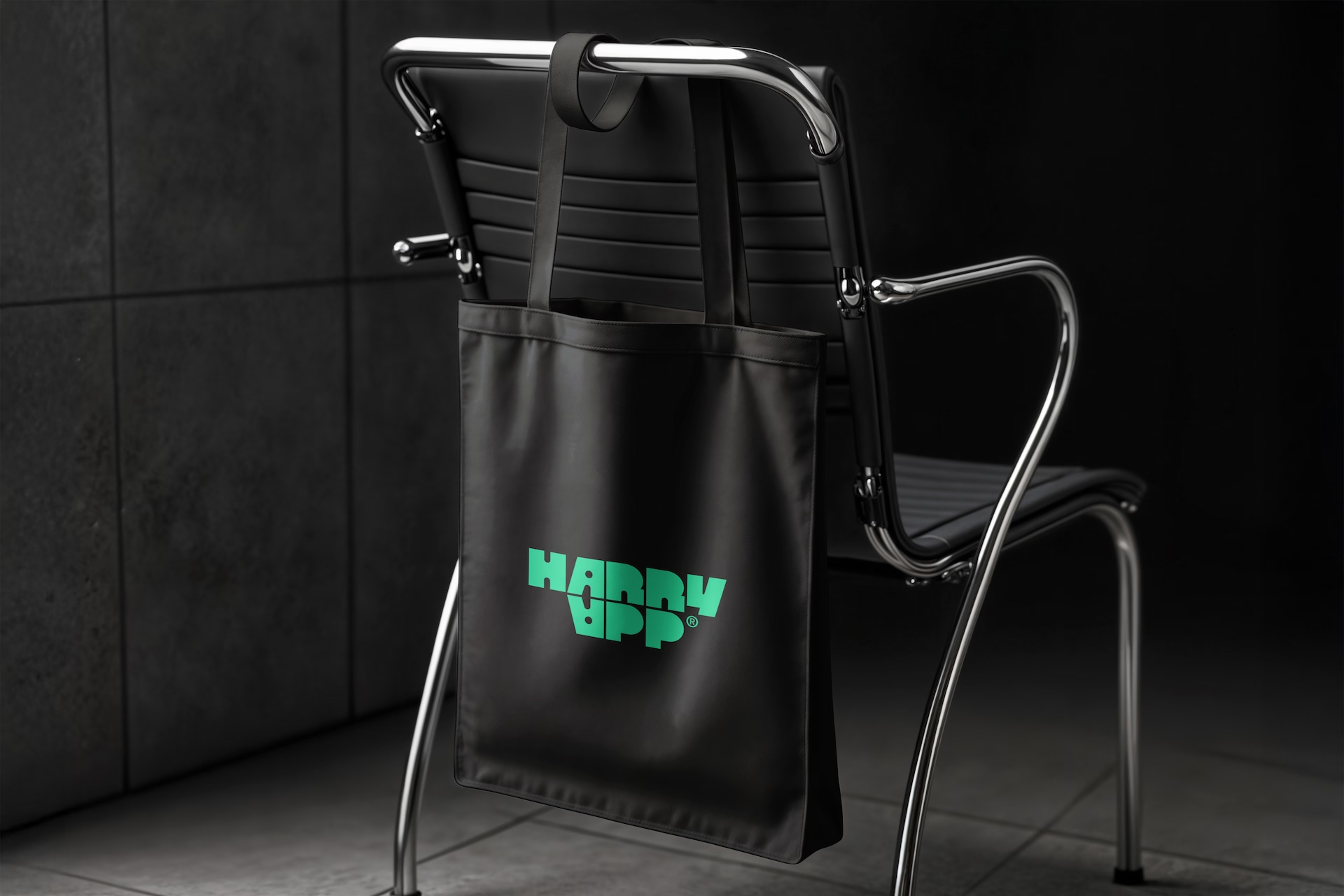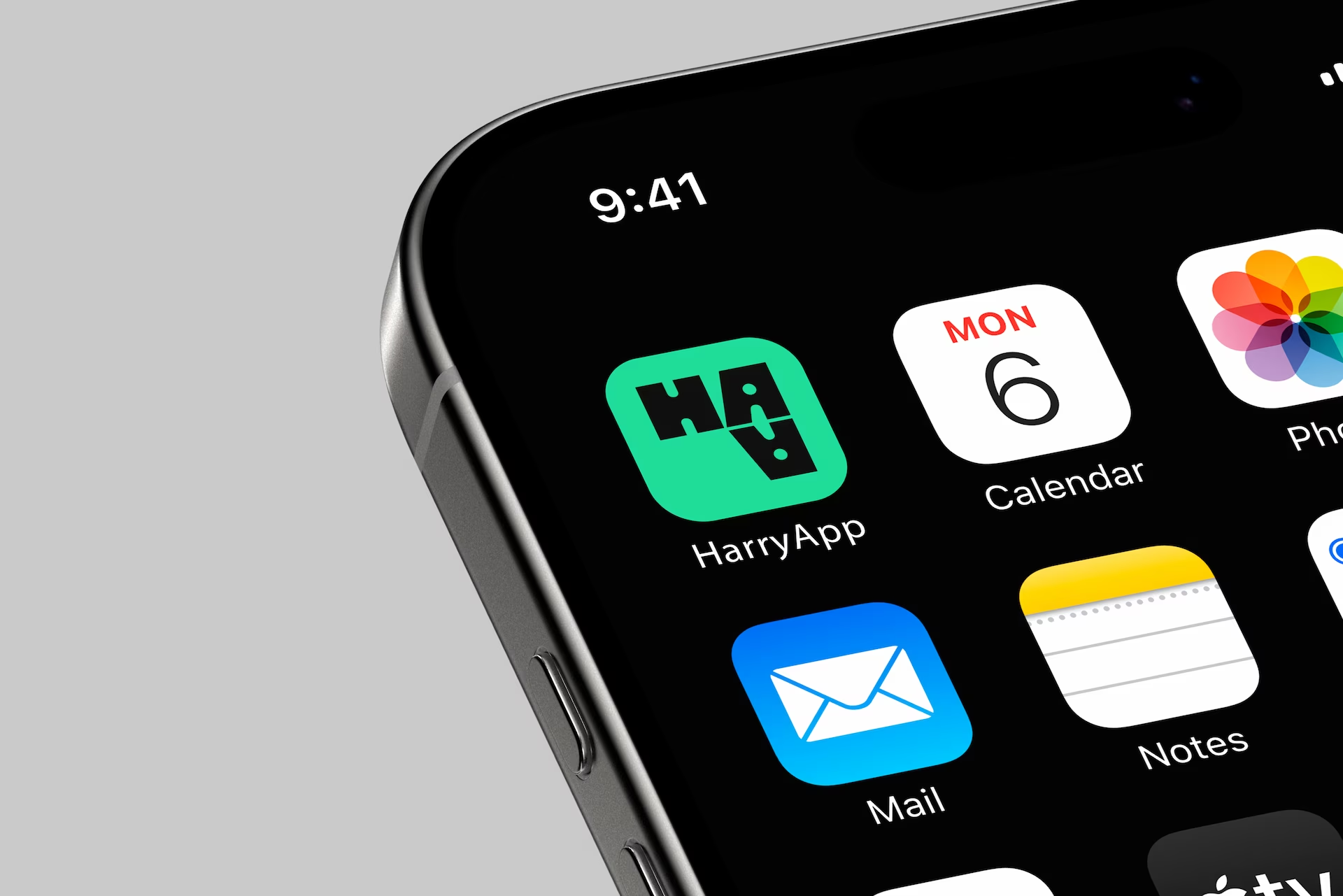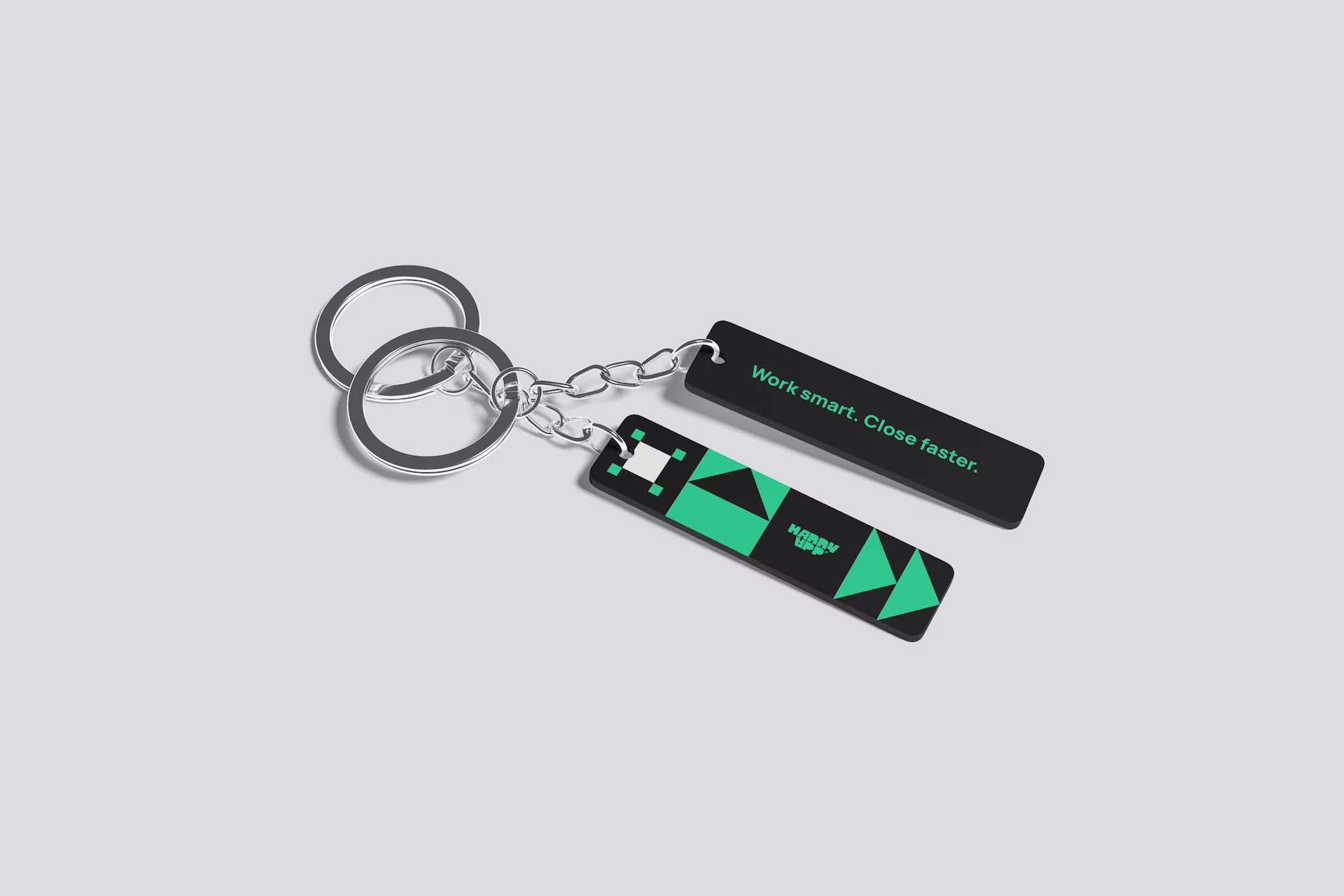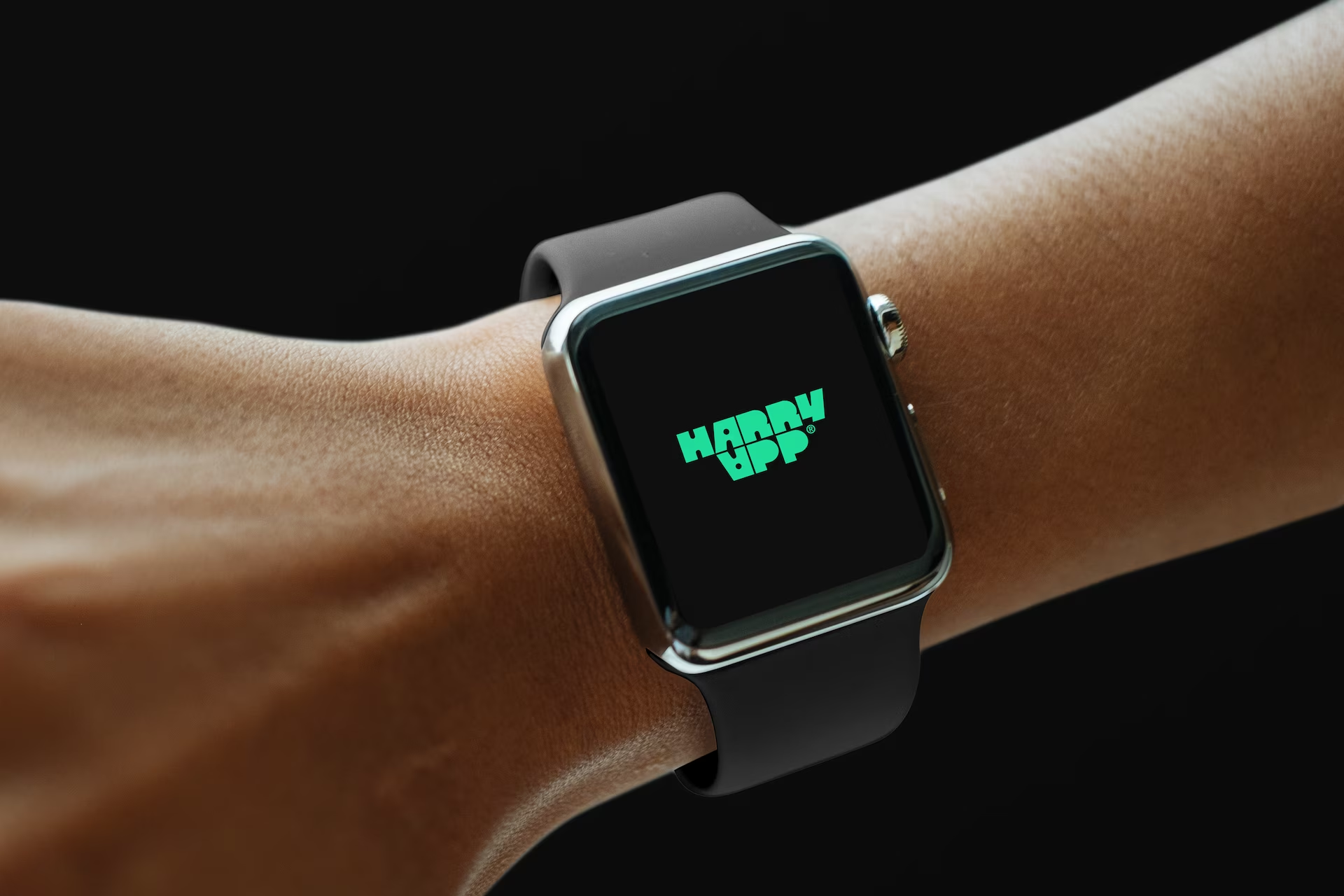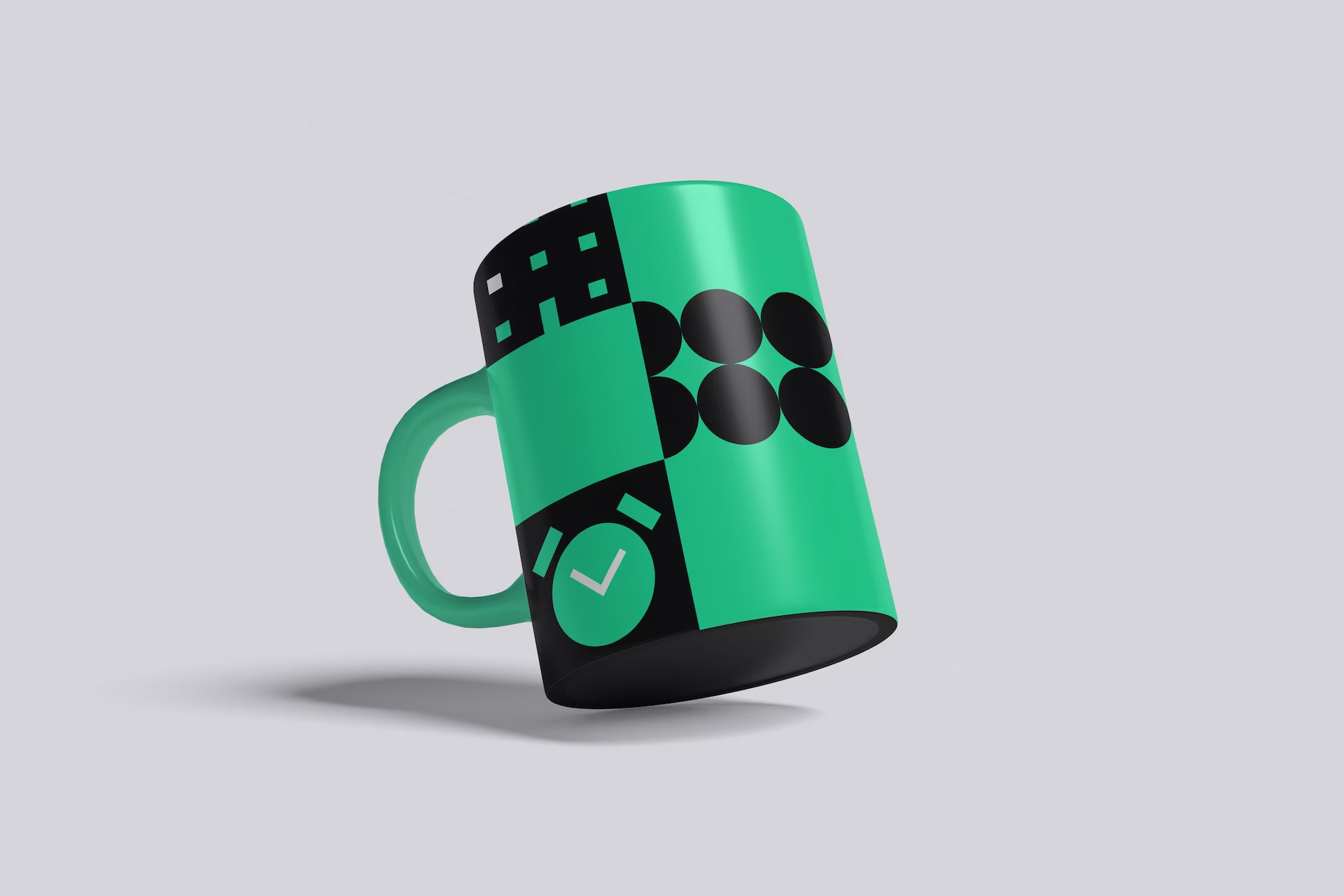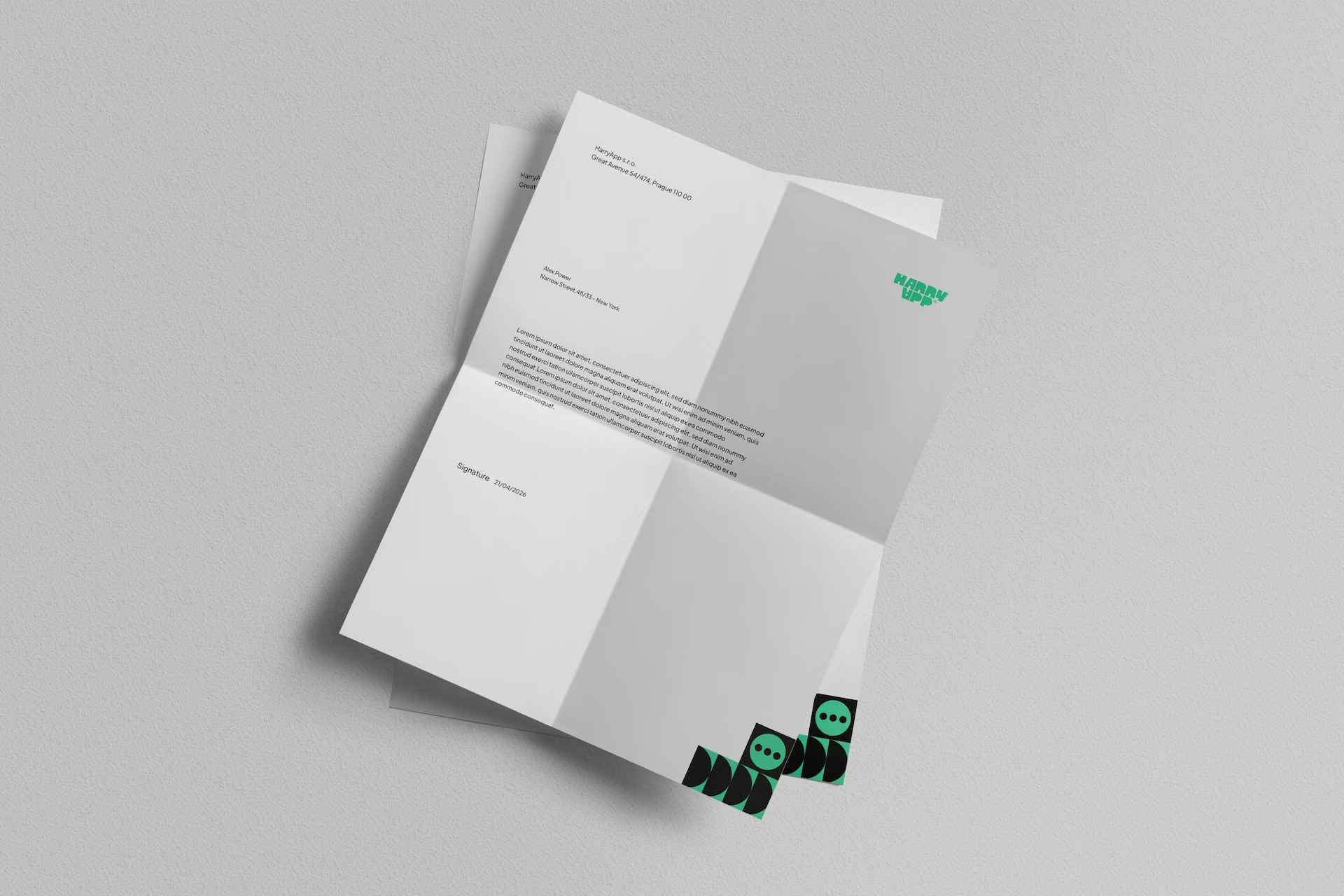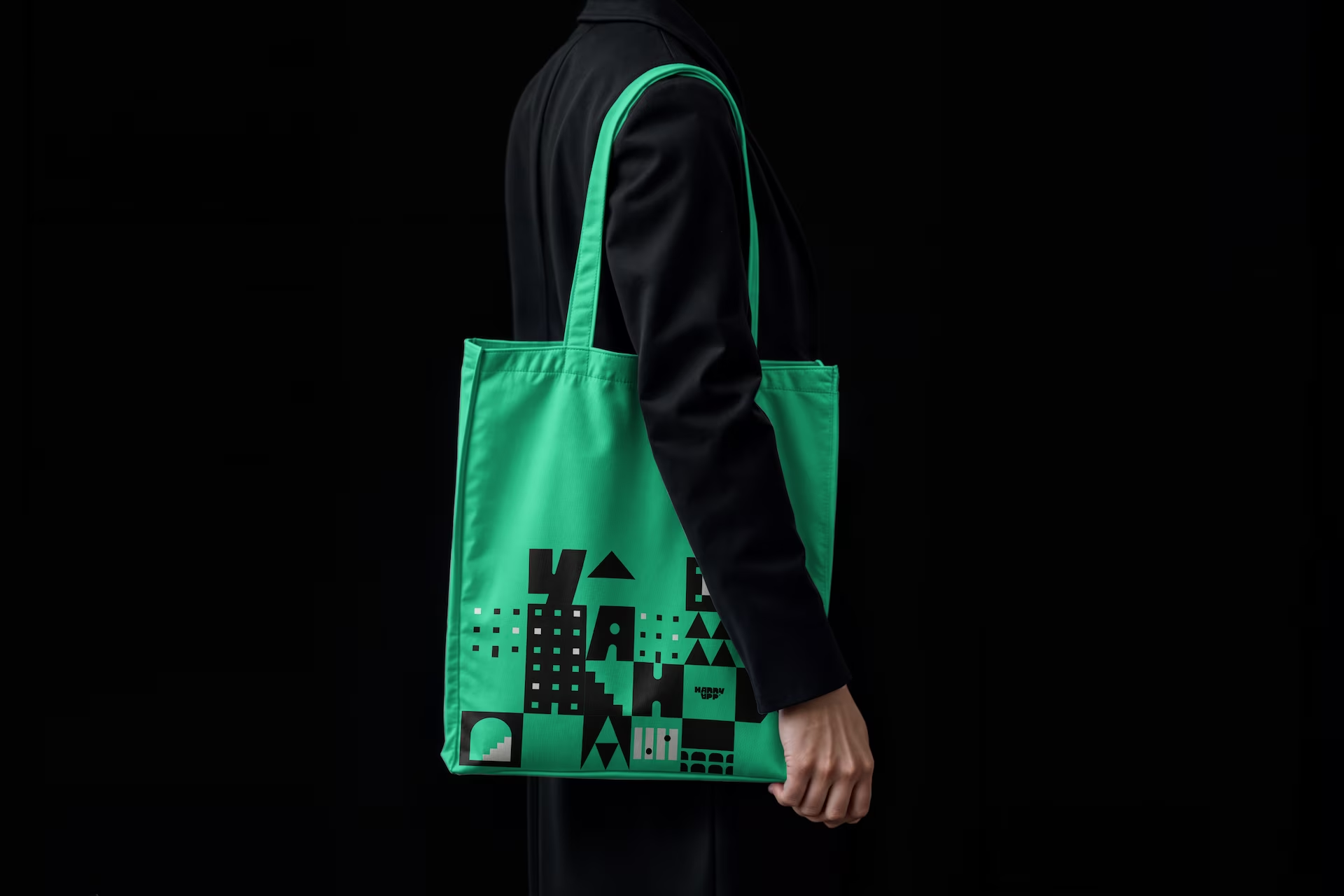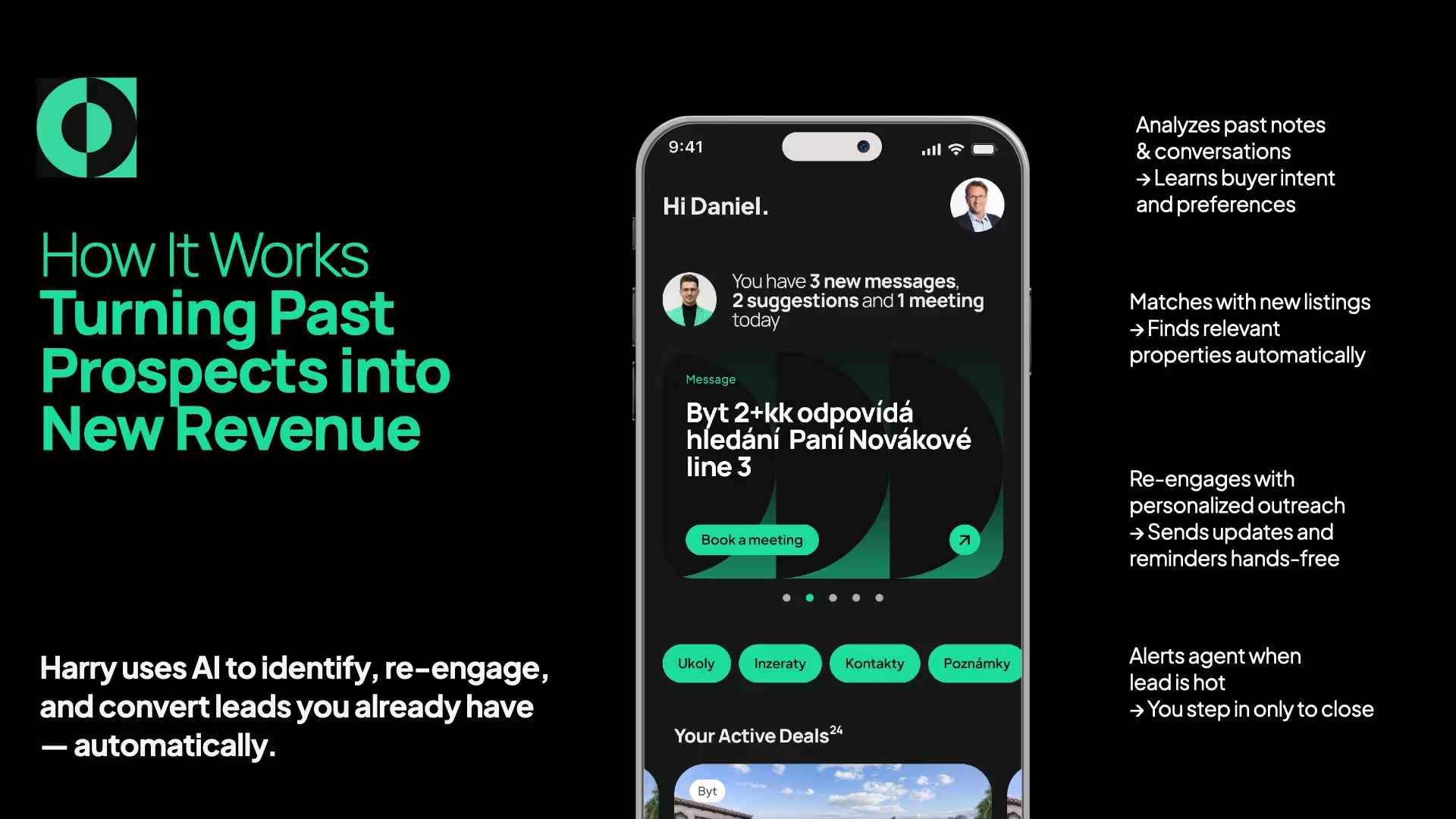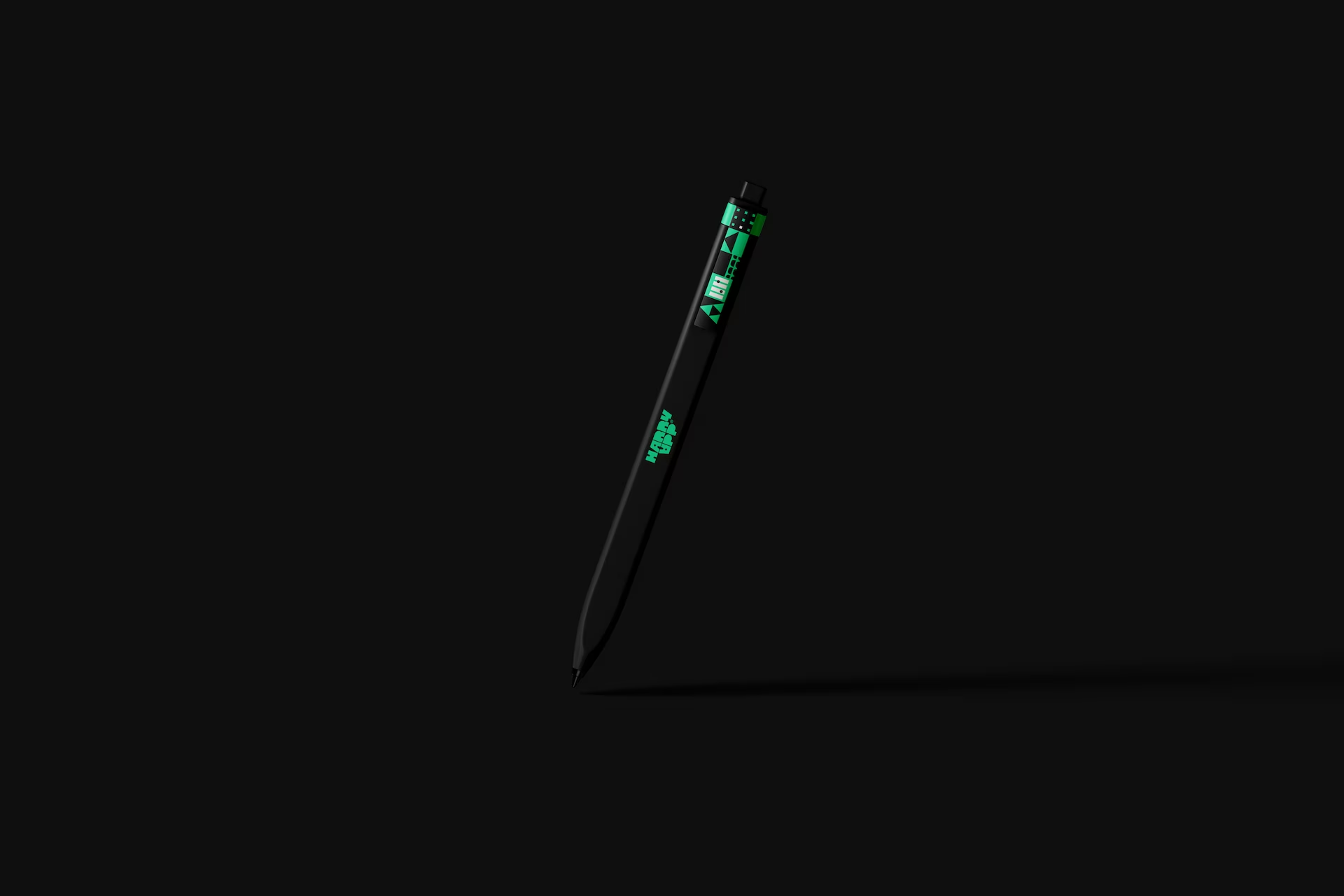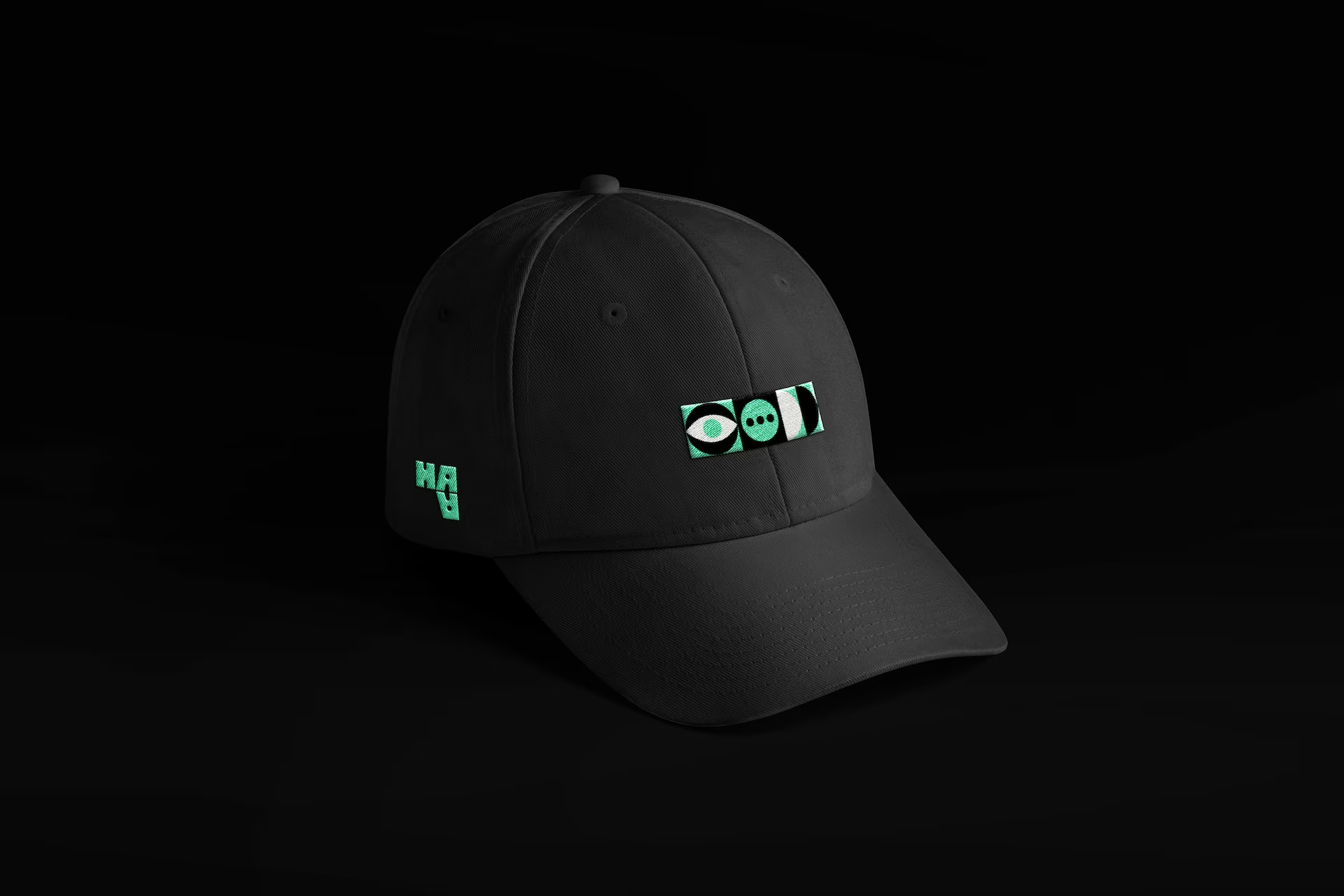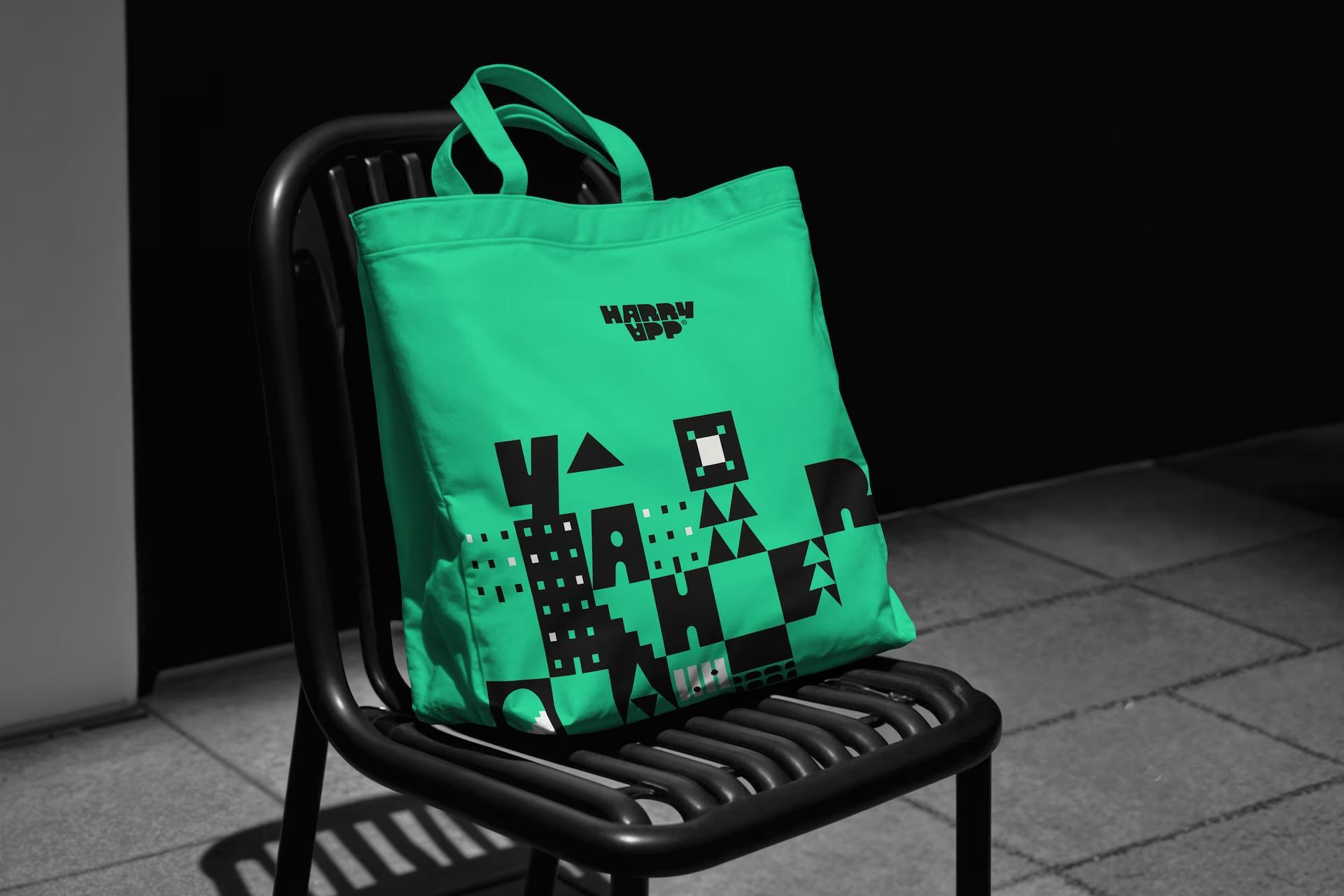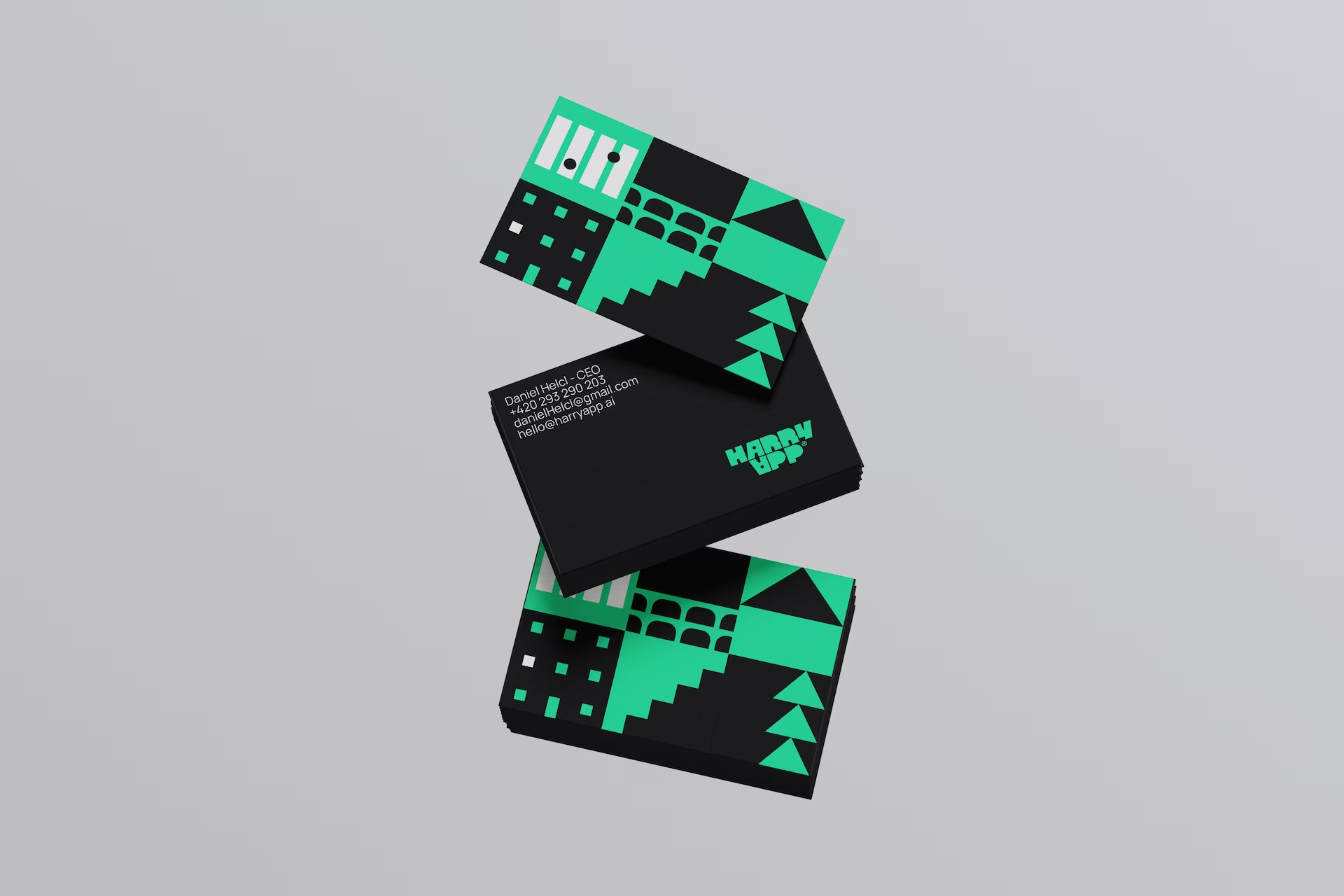
HarryApp was conceived first and foremost as a brand - not as an app. The core idea was to introduce Harry as a digital twin: a human-like AI assistant that feels present, reliable, and emotionally intelligent. Instead of positioning Harry as technology, we positioned him as a character - a trusted partner who thinks alongside you, anticipates your needs, and quietly makes you better at what you do. The brand narrative was built around closeness, trust, and usefulness, shifting the perception of AI from something abstract into someone you can relate to.

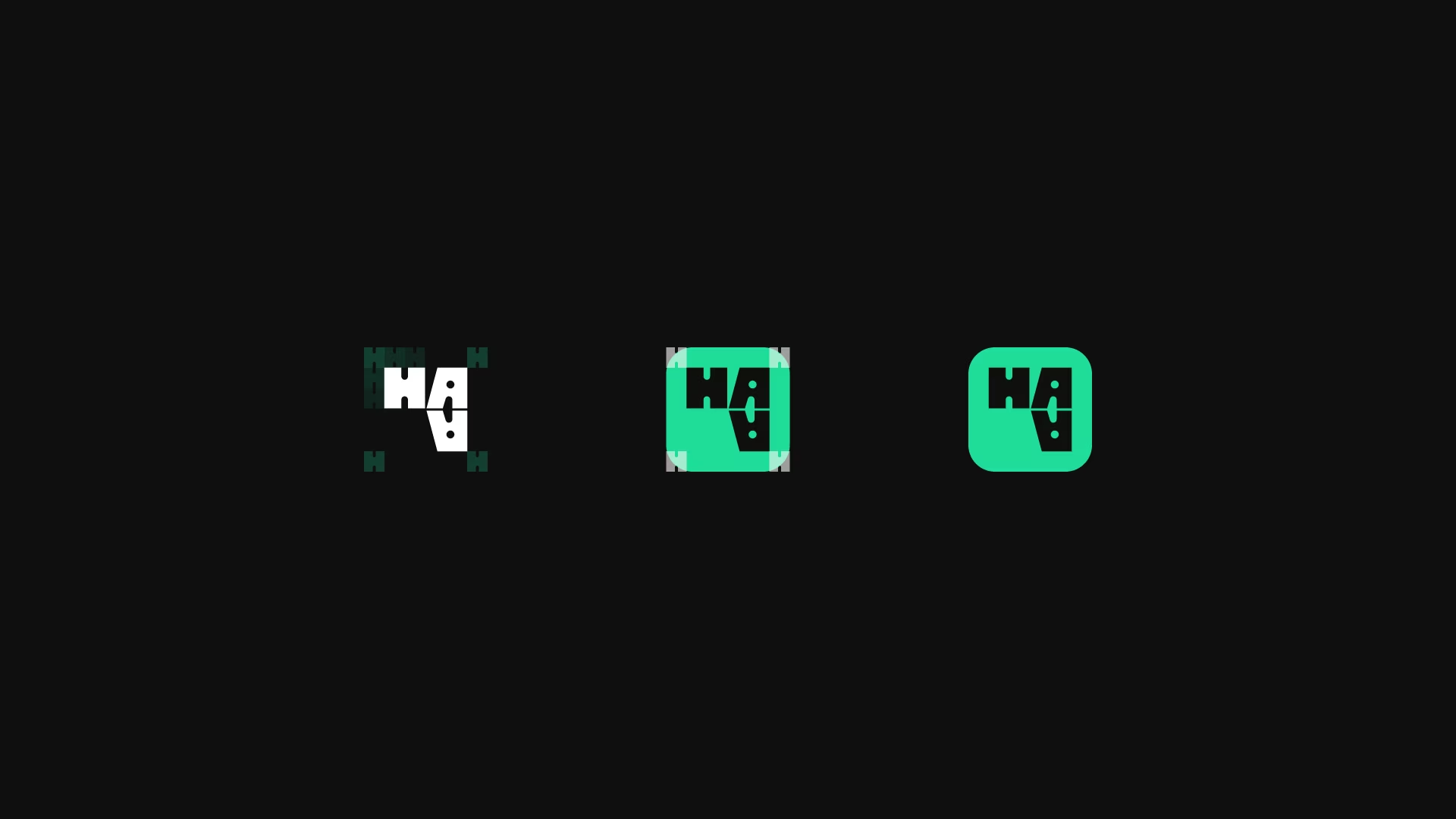
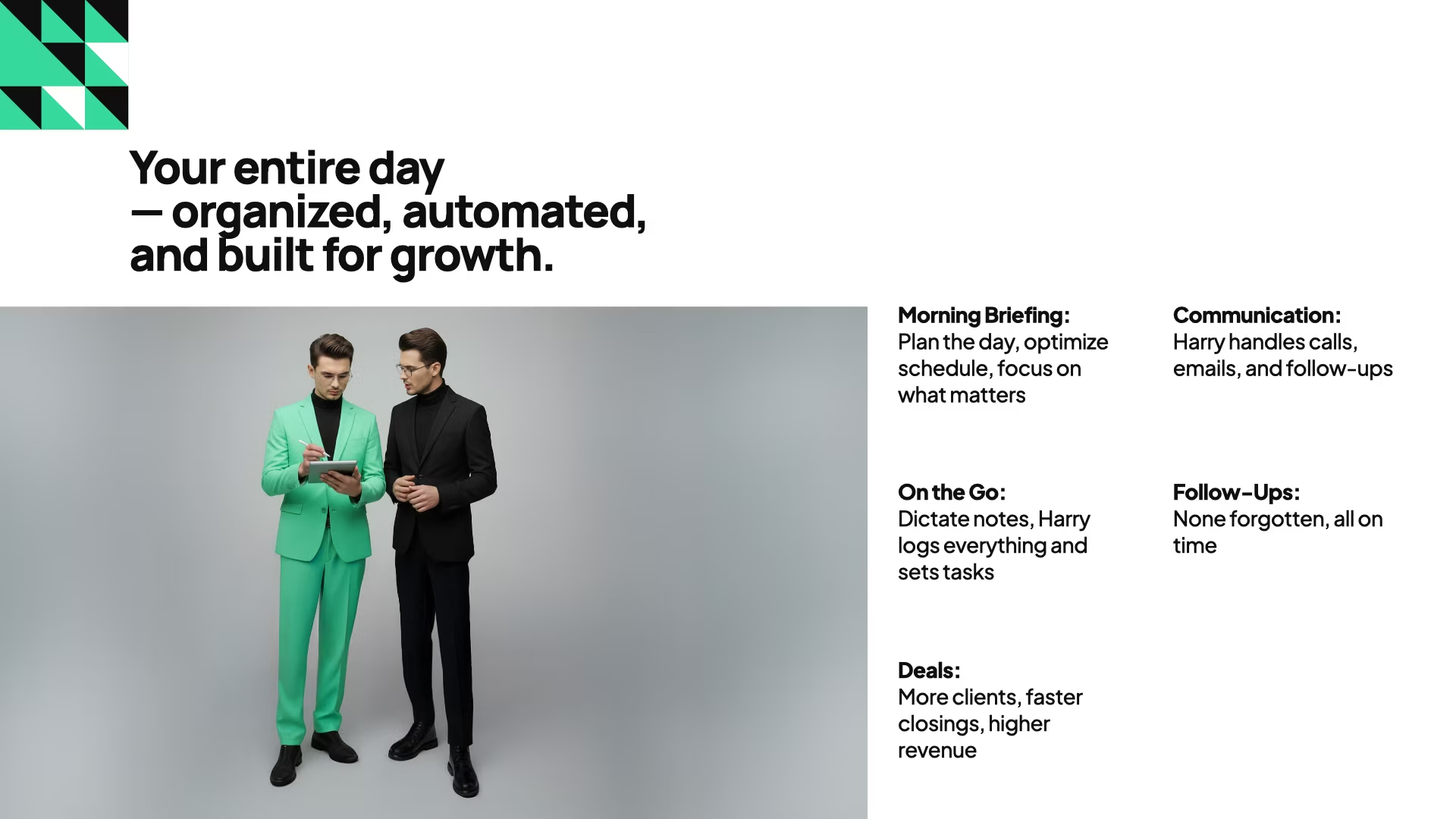
We focused on shaping Harry’s personality before anything else. His name, tone of voice, and visual language were designed to feel calm, confident, and natural - never futuristic for the sake of it, never cold or over-engineered. The identity balances professionalism with warmth, allowing Harry to exist as a “twin” rather than a tool: present in the background, supportive when needed, and always respectful of the human in control. Every brand decision reinforced this relationship, ensuring that the AI feels like an extension of the agent, not a replacement.
The result is a human-first AI brand that reframes how people emotionally connect with artificial intelligence. Harry isn’t introduced as software, but as a colleague - one you trust, rely on, and grow with over time. This case demonstrates how thoughtful brand strategy and design can turn complex technology into something familiar, relatable, and meaningful, proving that the future of AI isn’t about intelligence alone, but about identity, empathy, and connection.